What Is Gangrene? Types, Causes, and Warning Signs

Jan 29, 2026

Understanding Gangrene: A Comprehensive Guide
Gangrene is a serious medical condition that occurs when body tissue dies. This biological decay typically happens because of a critical lack of blood flow or a severe bacterial infection. Although it typically involves the extremities — especially the toes, fingers, and legs — it may also occur within the body, affecting muscles and internal organs such as the gallbladder.
Because gangrene represents the death of living tissue, it is considered a medical emergency. Effective management often depends on early detection and the implementation of appropriate wound care protocols to prevent the spread of necrosis (tissue death) to healthy surrounding areas. Understanding the underlying mechanisms, the different types of gangrene, and the key warning signs is crucial for public health awareness.
The Primary Causes of Gangrene
There are three main catalysts for the development of gangrene:
- Loss of Blood Supply
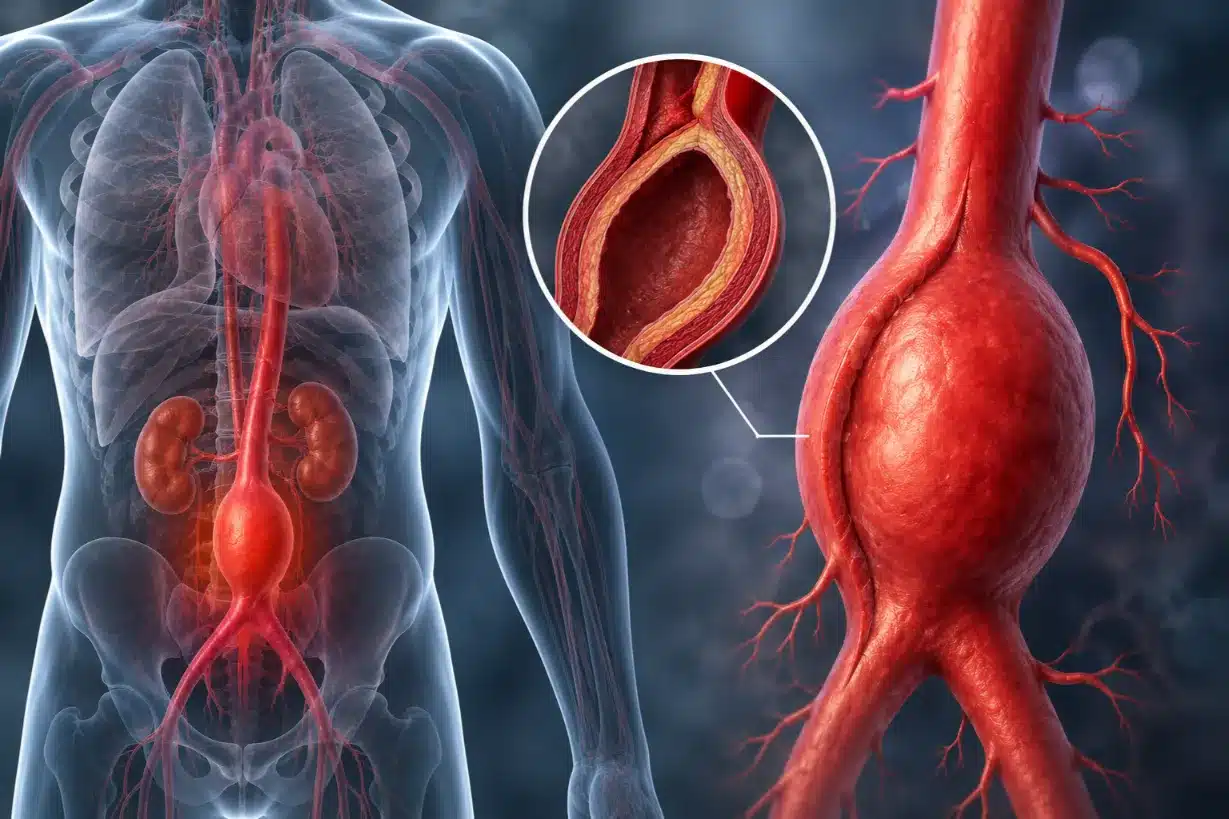
The human body relies on a constant delivery of oxygen and nutrients via the circulatory system. When this supply line is compromised, cells cannot survive. Any condition that affects the blood vessels can lead to gangrene. This is frequently seen in chronic conditions like peripheral artery disease (PAD), atherosclerosis and diabetes, where the arteries become narrowed or blocked by fatty deposits.
- Infection
If a bacterial infection goes untreated for a prolonged period, the resulting swelling and inflammation can compress small blood vessels, cutting off circulation. Furthermore, certain bacteria produce toxins that directly destroy tissue, leading to a rapid spread of the condition. - Traumatic Injury
Severe open wounds from events such as car accidents, crush injuries, or burns can allow bacteria to enter the body and cause infection. Traumatic injury can also disrupt local blood flow, leading to tissue death. When a wound is contaminated, the risk of developing gangrene rises significantly.
Classifying the Different Types of Gangrene
Gangrene is not a singular disease but rather a clinical manifestation that presents in several distinct forms. Each type has a different pathology and visual appearance.
Dry Gangrene
Dry gangrene is most common in conditions such as peripheral arterial disease (PAD), autoimmune vasospastic disorders or embolic occlusion (i.e. blood clots, arising from the heart chambers, occluding the artery). This type of gangrene typically develops slowly and is characterized by dry, shrivelled skin ranging in colour from brown to purplish-blue or black. Unlike other forms, dry gangrene usually does not involve an active bacterial infection. It is primarily a result of poor circulation. The tissue eventually dries up and may fall off if not surgically removed.
Wet Gangrene
Wet gangrene develops when damaged tissue becomes moist, swollen with fluid leaking from the dead tissue. It is almost always caused by a bacterial infection. Because of the bacteria and excess fluid, it spreads much faster than dry gangrene. Blistering and skin infection around the wound (cellulitis) are common, and it is often seen in people with diabetes. If not treated promptly, wet gangrene can lead to sepsis, which is a serious whole-body reaction to infection.
Gas Gangrene
Gas gangrene is a specific subtype of wet gangrene usually caused by Clostridium perfringens bacteria. These bacteria thrive in environments with little to no oxygen. As they destroy tissue, they release toxins and gas, which becomes trapped under the skin. The toxins produced will break down muscles, damage blood vessels and prevent oxygen from reaching tissue. The gas causes the skin to make a crackling sound (crepitus) when pressed. Gas gangrene is a rapid-onset condition that requires immediate surgical and medical intervention. If untreated, can lead to septic shock, multi-organ failure and death.
Internal Gangrene
This type affects one or more of the internal organs, such as the intestines, gallbladder, or appendix. It occurs when blood flow to an internal organ is blocked for example, when the intestines bulge through a weakened area of muscle in the abdomen (a hernia) and become twisted. Internal gangrene often causes fever and severe pain but may not be visible on the surface of the skin.
Fournier’s Gangrene
This is a rare but life-threatening form of necrotizing fasciitis that involves the genital and perineal area. It is typically caused by an infection in the genital tract or urinary tract and results in redness, pain, and swelling that progresses rapidly to tissue death.
Recognizing the Warning Signs
Early identification is the most significant factor in managing gangrene. The symptoms can vary depending on whether the condition is external or internal.
External Symptoms (Skin and Limbs)
- Colour Changes: The skin may initially appear pale, then turn blue, purple, or black.
- Temperature Shift: The affected area often feels cold to the touch compared to the rest of the body.
- Swelling and Blisters: Formation of fluid-filled or blood-filled blisters on the skin.
- Pain and Sensation: Initial severe pain followed by a loss of sensation or numbness as the nerves in the tissue die.
- Odour: In cases of wet or gas gangrene, a foul-smelling discharge may leak from the affected area.
Systemic Symptoms
- Persistent Fever: An unexplained, high fever often accompanies internal tissue death.
- Low Blood Pressure: Low blood pressure indicates that infection has become systemic (sepsis). If not treated, blood pressure may continue to drop, entering a state of shock- septic shock, where the circulatory system cannot deliver enough oxygen and nutrients to the body’s tissues and organs.
- Severe Pain: Intense, localized pain in the abdomen or the site of the affected organ.
- Confusion: Mental fog or confusion can occur if an infection becomes systemic.
Risk Factors and Vulnerabilities
Certain populations are at a higher risk due to underlying health conditions.
- Diabetes and Vascular Health
Diabetes is a primary risk factor because it can cause damage to the nerves (neuropathy) and the blood vessels (angiopathy). High blood sugar levels over time damage the lining of the arteries, leading to narrowed vessels. Furthermore, neuropathy means a person might not feel a small cut or blister on their foot, allowing it to become infected and progress to gangrene before it is noticed.
- Weakened Immune System
Individuals with compromised immune systems whether due to HIV, chemotherapy, or long-term steroid use have a diminished ability to fight off the bacterial infections that lead to wet gangrene.
- Smoking and Lifestyle
Tobacco use damages blood vessels and contributes to the hardening of the arteries (atherosclerosis). This reduces the efficiency of the circulatory system, making it harder for the body to repair damaged tissue or transport immune cells to the site of an injury.
Diagnostic Processes
When a patient presents with symptoms of gangrene, medical professionals utilize several tools to confirm the diagnosis and determine the extent of the tissue damage.
- Blood Tests: A high white blood cell count typically indicates an active infection.
- Imaging: X-rays, CT scans, or MRI scans can reveal the presence of gas under the skin or the extent of internal organ involvement. These images help identify if the infection has reached the bone or deep muscle layers.
- Contrast Angiography: This is an imaging test used to look at the inside of the arteries. It helps identify blockages in the blood supply that may be causing dry gangrene.
- Tissue Culture: A sample of the fluid or tissue from the affected area may be analyzed in a lab to identify the specific bacteria causing the infection, allowing for targeted antibiotic therapy.
Principles of Management and Prevention
Management focuses on removing the dead tissue, treating the underlying cause (such as poor circulation), and stopping the spread of infection. This is often achieved through a combination of surgery, medication, and specialized therapies.
Surgical Debridement
The primary method of managing gangrene is the surgical removal of dead tissue, a process known as debridement. By removing the necrotic material, the body can focus its resources on healing the healthy tissue. In severe cases where the damage is extensive, amputation of a toe, finger, or limb may be necessary to save the patient’s life.
Revascularization
If the gangrene is caused by poor blood flow, surgery may be performed to restore circulation. This can involve bypass surgery or angioplasty, where a small balloon is used to open a blocked artery. It is important to visit a vascular surgeon in Singapore for appropriate guidance and treatment.
Antibiotics and Supportive Care
In cases of wet or gas gangrene, intravenous antibiotics are used to control the underlying bacterial infection. Supportive care, including intravenous fluids and medications to stabilise blood pressure, may be necessary in patients who are clinically unwell.
Preventive Measures
Prevention is largely centred on managing the underlying conditions that lead to poor circulation. For those with diabetes, control of blood sugar and regular foot exams are essential to catch small wounds before they escalate. Maintaining a healthy blood pressure, managing cholesterol levels, and avoiding tobacco are universal steps to protecting vascular health and reducing the risk of tissue necrosis.
Frequently Asked Questions
- What exactly is gangrene? Gangrene is a serious condition where body tissue dies because it loses its blood supply or develops a severe bacterial infection. It most commonly affects the fingers, toes, and legs, but it can also occur deep inside the body in organs like the gallbladder or intestines.
- How do I know if I’m at risk? You are at a higher risk if you have conditions that affect blood circulation, such as diabetes, peripheral artery disease, or a weakened immune system. Lifestyle habits like smoking also increase your risk because they damage blood vessels and slow down the body’s ability to heal.
- What are the first signs I should look for on my skin? Keep an eye out for skin that changes colour, turning pale, blue, purple, or eventually black and feels unusually cold to the touch. You might also experience intense pain followed by a loss of feeling or numbness in the affected area.
- Is gangrene always caused by an infection? Not always. “Dry gangrene” is usually caused by poor blood flow and does not typically involve an infection, whereas “wet gangrene” is almost always caused by bacteria and spreads much faster. Regardless of the type, both require urgent medical evaluation to prevent complications.
- Can I have gangrene even if I don’t see anything on my skin? Yes, internal gangrene can happen inside the body when blood flow to an organ is blocked, such as from a twisted intestine or a hernia. In these cases, you might experience a high fever, severe abdominal pain, and a sudden drop in blood pressure rather than visible skin changes.
Disclaimer: This article provides general information and is not a substitute for professional medical advice.