
Diabetic Foot Screening in Singapore
- Home
- Our Services
- Diabetic Foot Screening in Singapore
Diabetic Foot Screening
When you live with diabetes, it’s easy to focus on blood sugar checks, medication and diet. But what about your feet? Many people with diabetes don’t realise that the feet are often the first place serious complications begin. The dangerous thing about diabetic foot problems is that they don’t always hurt – you could have a cut, blister or pressure sore and feel absolutely nothing. By the time there’s pain, swelling or redness, the damage is often far more serious than it appears.
People often assume they’ll notice if something is wrong – but that’s rarely the case. Reduced sensation means injuries go unnoticed. Reduced circulation means that healing slows down. A tiny crack in the skin can become an infected wound within a handful of days. In more serious cases, tissue can break down, the foot can start to deform or blood flow can become so impaired that parts of the foot begin to die. And this is exactly why getting timely and proper Diabetic Foot Screenings from a licensed vascular and wound specialist is so important.
Other Services
Table of Contents
More about Diabetic Foot Screening
What is a Diabetic Foot Screening?
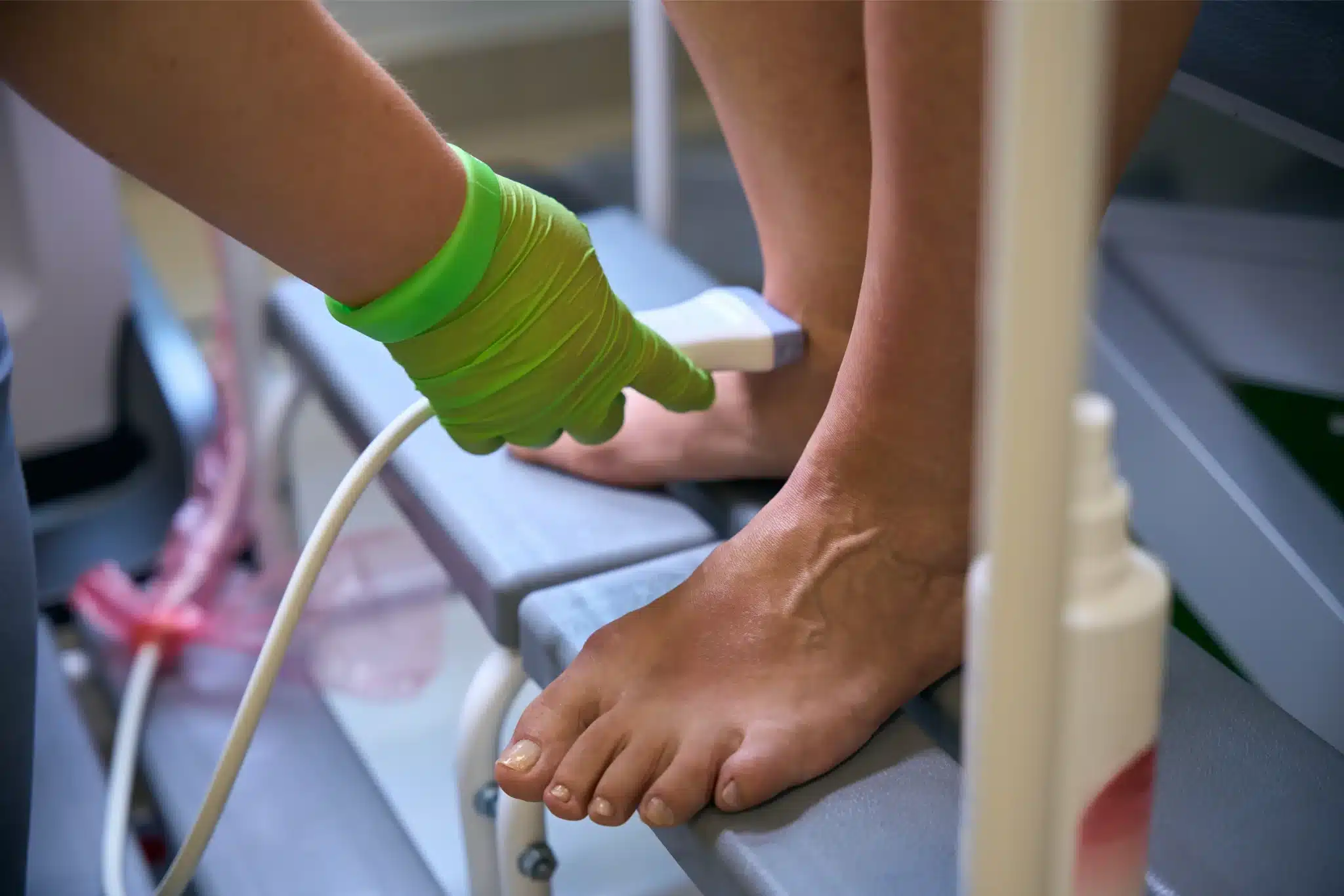
A diabetic foot screening isn’t just a visual check. During a proper medical assessment, a doctor examines things you can’t see or feel yourself, such as nerve response, temperature changes, circulation quality and small areas of skin breakdown. They also look for pressure points, deformities, early ulcer formation and early warning signs of nerve damage that would go unnoticed in a home check. During foot screenings, doctors can also identify areas at risk before they turn into ulcers, infections or wounds – saving you from life-threatening infections or limb amputations.
What does a Diabetic Foot Screening involve?
A typical screening may include:
- Sensation testing: Checking for nerve damage (neuropathy) using tools like a monofilament or tuning fork
- Blood flow assessment: Feeling pulses or performing Doppler studies to assess circulation
- Skin inspection: Looking for cracks, calluses, corns, swelling, or signs of infection
- Footwear evaluation: Checking if shoes are causing pressure or friction
- Joint and structural assessment: Identifying deformities (e.g., bunions, Charcot foot, hammertoes)
- Sensation testing: Checking for nerve damage (neuropathy) using tools like a monofilament or tuning fork
- Blood flow assessment: Feeling pulses or performing Doppler studies to assess circulation
- Skin inspection: Looking for cracks, calluses, corns, swelling, or signs of infection
- Footwear evaluation: Checking if shoes are causing pressure or friction
- Joint and structural assessment: Identifying deformities (e.g., bunions, Charcot foot, hammertoes )
Why get a Diabetic Foot Screening?
Regular doctors are often faced with limitations such as not having the right equipment or the time to thoroughly screen every patient for signs of infection. Vascular doctors and Wound Care Specialists are equipped with the right tools and education to thoroughly assess not just your pulse, but how well blood is reaching the tissues in your feet. They can also spot narrowing or blockages in the arteries before wounds even develop.
If circulation is already reduced, they’re the specialists who can intervene early, taking steps to improve blood flow and prevent tissue breakdown. Without that input, a slow-healing wound can easily spiral into something far more serious.
Steps to Diabetic Foot Screening by Your Doctor
1. Assessing Circulation in Detail
A vascular doctor can measure blood flow using:
- Doppler ultrasound
- Ankle-brachial index (ABI)
- Toe pressure tests
- Pulse volume recordings
These tests help identify peripheral arterial disease (PAD), a common but often silent complication in diabetes.
2. Preventing Ulcers Through Early Detection
Poor circulation limits the body’s ability to heal even small wounds. A vascular assessment can identify reduced blood supply before a wound appears.
3. Planning Treatment to Restore Blood Flow
If blockages or narrowing are found, a vascular specialist may recommend:
- Medication to improve circulation
- Minimally invasive procedures (angioplasty, stenting)
- Surgical bypass in severe cases
4. Reducing the Risk of Amputation
Many patients who undergo lower limb amputation had untreated circulation problems that could have been identified earlier. Vascular screening reduces this risk significantly.
If you have a wound or your skin shows signs of stress during screening, consult a Wound Care Specialist. Wound Care Specialists are trained to recognise when tissue is under threat even if there’s no open wound yet. If there is one, they know how to prevent infection, offload pressure, dress the area properly and monitor healing. They also coordinate with other specialist doctors such as Diabetes Specialist, so nothing is missed.
What seems small to you may actually be the beginning of something far more complex – and a wound care specialist knows exactly when to step in.
Role of a Wound Specialist in Diabetic Foot Treatment
1. Identifying Early Tissue Damage
A wound care specialist can spot early-stage skin breakdown, callus formation, fungal infection, or pressure points that may develop into ulcers.
2. Treating Existing Foot Wounds
If an ulcer or wound is detected, they provide:
- Debridement (removal of dead tissue)
- Dressing selection and wound care plans
- Offloading techniques to reduce pressure
- Infection control and antibiotic coordination
3. Coordinating Multidisciplinary Care
Wound specialists often work closely with:
- Vascular surgeons
- Endocrinologists
- Podiatrists
- Orthotists
This helps ensure a full-circle approach that targets both cause and complication.
4. Monitoring Healing Progress
Without proper follow-up, wounds may deepen, become infected, or spread to bone. Continuous review by a wound specialist improves recovery outcomes and reduces hospitalisation.
Why is it important to get Regular Diabetic Foot Screenings?
The biggest mistake people make is waiting for pain before seeking help. But pain is often the last thing to appear. Many patients who end up with ulcers or even amputations never felt pain at the start. That’s why screenings should not be treated as “optional” or “only if there’s a problem.” If you have diabetes, a foot screening at least once a year is recommended even if you feel fine. You may need to be checked more often if you have had previous wounds, numbness, calluses, circulation issues, deformities or footwear challenges. If you cannot remember when your last screening was, you are probably due for one now.
A screening takes less than an hour. The consequences of missing one can last a lifetime. Once infections set in or circulation drops too low, options become limited and recovery becomes harder. What could have been prevented or treated early may turn into hospital care, long-term disability or limb loss.Your feet won’t always warn you when something is wrong. That’s why your doctor should.
Who Needs Diabetic Foot Screening and How Often?
Most guidelines recommend:
- At least one foot screening per year for people with diabetes
- Every 3–6 months for patients with nerve damage, poor circulation, foot deformities, or prior ulcers
Those with past infections, wounds, or neuropathy may require more frequent monitoring.
What Happens If Diabetic Foot Screenings Are Missed?
Skipping Diabetic Foot Screenings can lead to silent progression of damage. Many complications begin small and painless but can quickly escalate.
Possible consequences of missed screenings include:
- Foot Ulcers
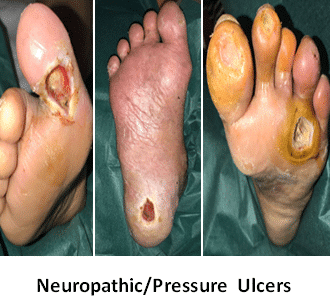
A small blister or crack can turn into an open wound due to poor healing. Ulcers may become infected and require urgent treatment.
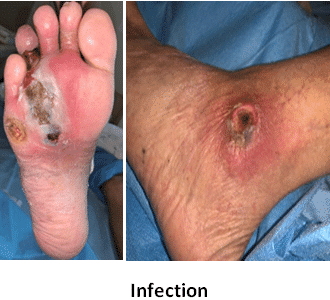
- Infections
Reduced blood flow and neuropathy mean the body struggles to fight off bacteria. Infections can spread rapidly to deeper tissues.
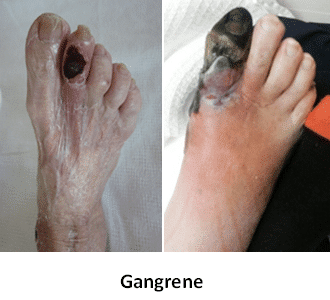
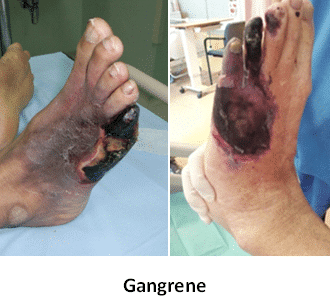
- Gangrene
When tissue loses circulation and becomes infected or dead, gangrene can develop—sometimes without pain.
- Charcot Foot
Weak bones in the foot can fracture and collapse without warning, leading to deformity and disability.
- Amputation
Severe infection, tissue death, or poor healing can ultimately lead to partial or full amputation of a toe, foot, or lower leg.
These complications are far more common in individuals who do not undergo regular foot screenings.
Warning Signs You Shouldn’t Ignore:
Even with regular screenings, you should inform your doctor immediately if you notice:
- Redness or swelling
- Warm spots on the foot
- Cuts, cracks, or calluses
- Black, purple, or pale skin patches
- Fluid, discharge, or foul odour
- Numbness, tingling, or burning sensations
- Pain that feels unusual - or no pain despite injury
Why Regular Diabetic Foot Screening is Essential?
Daily self-examination is important, but it does not replace professional screening. Many serious issues, such as circulatory problems or nerve damage, can only be detected through clinical evaluation.
Self-checks help you spot changes sooner, but medical screening helps you catch what you cannot see or feel. A screening takes less than an hour. The consequences of missing one can last a lifetime.
Your feet carry you every day. A single appointment can protect your health, your independence and your future. If you’re living with diabetes, don’t wait for something to go wrong – book a diabetic foot screening with a qualified doctor and take control before complications take over. It’s not just another appointment. It’s prevention, protection and peace of mind.
How can diabetes affect feet?
Many factors can lead to diabetic foot complications:
Diabetic neuropathy
Poorly controlled diabetes can lead to nerve damage in the feet and This can result in:
- Poor sensation in the feet- You might not feel pain and aware of any injury in the foot and the wound could get worse and become infected
- Foot deformities- Structural changes in the foot and limited joint mobility can result in focal areas of high pressure on the sole. Skin can breakdown over pressure points leading to ulceration.
- Decreased sweating- Dry skin can lead to skin cracking
Peripheral Arterial Disease (PAD)
Diabetics are at increased risk of atherosclerosis which narrows the blood vessels of the leg and within the foot. Poor blood supply to the foot will lead to poor healing and gangrene.
Immunocompromised
Poor immune system reduces the ability to combat infection. Small injuries to the foot such as cuts, blisters and ingrown toenails can become infected easily if left untreated. The combination of neuropathy, PAD and poor immunity is responsible for the increased risk of developing foot complications such ulcers, gangrene and infection which may eventually lead to leg amputation if treatment is not sought early.
Here are some statistics of diabetic peripheral arterial disease:
- 70% of diabetic wounds have associated Peripheral Arterial Disease
- Risk of recurrent ulcers are greater than 50% after 3 years.
- Two-thirds of elderly patients undergoing amputation do not return to independent life
- About 70% of amputees will die within 5 years
Sitemap
Useful Links
Need Support? Call Us
- 1 Farrer Park Station Road #13-11 Connexion, Singapore 217562
- 38 Irrawaddy Road #05-29, Singapore 329563
- enquiry@vascularcentre.com.sg
- +65 64439972
- +65 96676795