Vascular Health: What It Means for General Well-Being

Mar 18, 2026

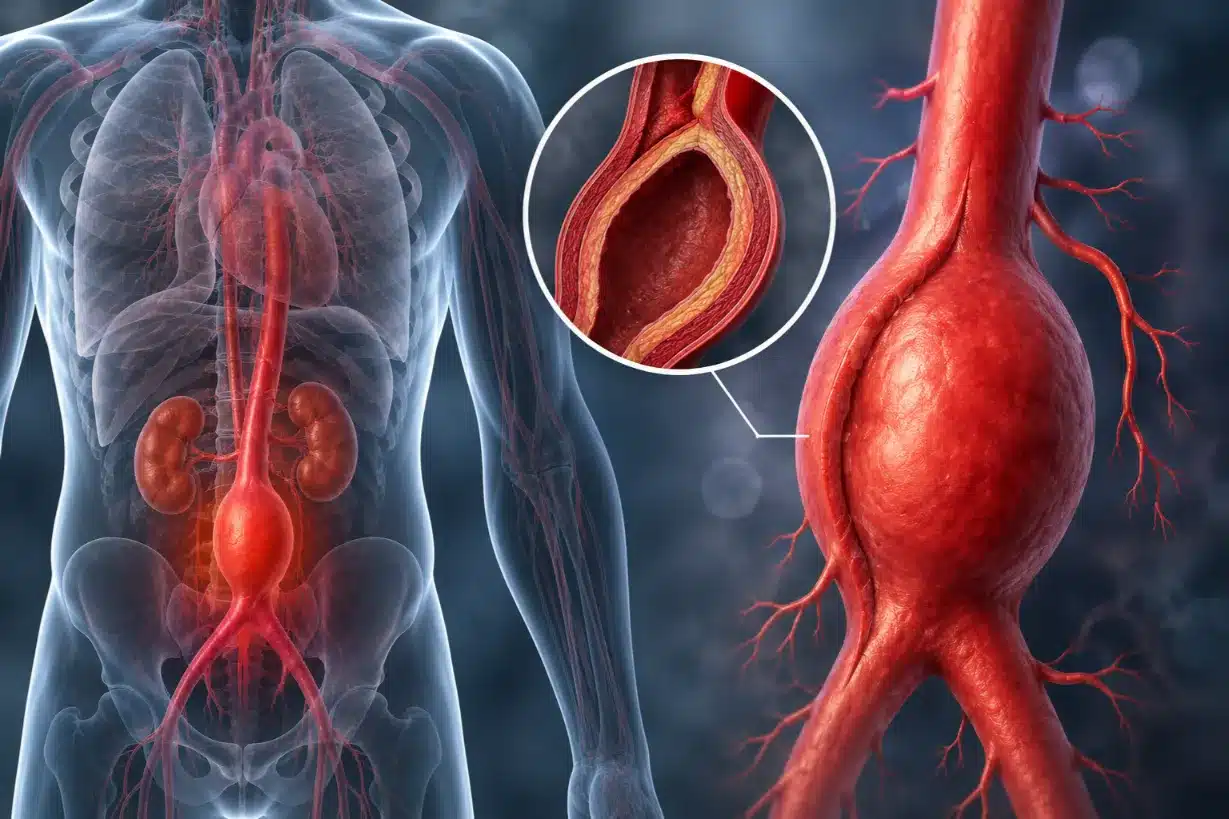
Your vascular system is constantly working, moving blood through about 60,000 miles of blood vessels in your body. This network helps remove waste products and delivers oxygen and nutrients to organs and tissues throughout the body. You may not be aware of this system when it is functioning normally. When circulation is impaired, it can affect different aspects of health. People who require specialized assessment may be referred to a vascular surgeon in Singapore for evaluation and discussion of management options for circulatory conditions.
Arteries, veins, and capillaries work together to maintain blood circulation. The heart pumps oxygen-rich blood through the arteries to the body. Veins return blood to the heart. Capillaries connect these systems, allowing cells to exchange oxygen, nutrients, and waste.
How the Health of Your Blood Vessels Affects Your Body
The brain relies on a continuous supply of blood to function. Reduced blood flow can affect brain activity within a short period of time, and prolonged interruption may lead to injury. This highlights how dependent organs are on the vascular system functioning adequately.
Depending on activity level, the circulatory system moves a large volume of blood each day. This ongoing process supports functions such as movement and cognition. When blood vessels become narrowed or blocked, organs may receive less oxygen and nutrients than required.
Circulation also affects tissues in the limbs. Reduced blood flow to the legs or feet may be associated with discomfort during walking, slower wound healing, or tissue changes. These signs may suggest a reduction in blood flow to specific areas.
Risk Factors That Can Be Modified
Lifestyle choices and medical management can address many factors that influence vascular health. Daily habits can play a role in long-term circulatory health.
High blood pressure is a commonly identified modifiable risk factor. It can place additional strain on blood vessel walls over time and often develops without noticeable symptoms, which is why regular monitoring is important.
Other factors to consider include:
- Smoking, which can damage blood vessel walls and reduce oxygen levels in the blood
- Elevated cholesterol levels, which may contribute to plaque formation in arteries
- Diabetes, which can affect blood vessels throughout the body
- Physical inactivity, which may reduce circulation efficiency
Excess body weight, which can increase strain on the circulatory system
Awareness and Recognition
Some people may not be aware that they have vascular conditions. Certain conditions, such as peripheral artery disease, are sometimes identified during screening rather than through symptoms alone. In addition, incomplete medical history can make ongoing care more challenging.
This lack of awareness may lead people to attribute symptoms, such as leg discomfort during walking, to aging or other causes. Regular health assessments can help identify vascular concerns earlier.
A Clinical Perspective
Healthcare professionals often emphasize the importance of slowing the progression of vascular conditions. Addressing modifiable risk factors and monitoring health parameters early may reduce the likelihood of complications. Persistent symptoms, such as leg discomfort during activity or slow-healing wounds, should be assessed by a healthcare provider to determine appropriate next steps.
The Role of Prevention
Managing blood pressure is one commonly recommended approach to supporting vascular health. Blood pressure control forms part of long-term cardiovascular care.
Preventive care focuses on addressing modifiable risk factors before complications develop. Such factors may include:
- Monitoring blood pressure
- Maintaining cholesterol levels within recommended ranges
- Managing blood glucose levels in people with diabetes
- Staying physically active
- Avoiding tobacco use
- Maintaining a healthy body weight
These measures support normal blood vessel function and may reduce the likelihood of narrowing or blockage over time.
Understanding Your Vascular System
Vascular health plays a role in overall well-being by supporting the delivery of oxygen and nutrients to organs and tissues. It influences physical stamina, mental function, and the body’s ability to heal.
The vascular system works alongside other body systems. Adequate blood flow supports the function of organs such as the heart, kidneys, and brain, as well as tissue repair.
Maintaining vascular health involves attention to factors that can be managed. Regular checkups help establish baseline measurements and monitor changes over time. Early identification of vascular conditions allows healthcare providers to plan appropriate follow-up before symptoms progress.
Your heart and blood vessels function continuously. Understanding factors that influence circulation can help guide informed health decisions and highlight the connection between vascular health and overall health.
Disclaimer: This article provides general information and is not a substitute for professional medical advice.
FAQs
What is the vascular system?
The vascular system consists of blood vessels, including arteries, veins, and capillaries, that circulate blood throughout the body to deliver oxygen and nutrients.
What are some common signs of vascular conditions?
Possible signs include leg discomfort during walking, delayed wound healing, numbness or weakness in the limbs, and cold hands or feet. A healthcare professional should assess these symptoms.
Can vascular health be improved?
Lifestyle changes such as regular physical activity, blood pressure monitoring, avoiding smoking, managing cholesterol and blood sugar levels, and maintaining a healthy weight may support vascular health.
How often should vascular health be checked?
Regular health check-ups, including blood pressure monitoring, are generally recommended. The frequency depends on individual risk factors and medical history.
Who may be at higher risk of vascular conditions?
Risk may increase with age, smoking, high blood pressure, diabetes, high cholesterol, physical inactivity, excess body weight, and family history.