Stroke and Carotid Artery Disease: A Complete Guide for Patients

Nov 28, 2025

Dr Tan Yih Kai

Stroke is one of the leading causes of death and long-term disability worldwide. Many strokes are ischaemic strokes, caused by blood clots blocking arteries that supply the brain. One of the most important arteries involved is the carotid artery in the neck.

When the carotid arteries become narrowed by fatty plaque (atherosclerosis), this is called carotid artery disease or carotid stenosis. Left untreated, this can significantly increase your risk of transient ischaemic attack (TIA) or full-blown stroke.This guide explains, in simple language:

  • What stroke and carotid artery disease are
  • Warning signs and symptoms
  • Risk factors you should know about
  • How carotid artery disease is diagnosed
  • Treatment options, including medication, surgery and stenting
  • When to seek urgent help in Singapore

What Is a Stroke?

A stroke happens when blood flow to part of the brain is suddenly disrupted.

There are two main types:

  • Ischaemic stroke – caused by a blood clot blocking an artery supplying the brain, often due to atherosclerosis in arteries such as the carotid arteries.
  • Haemorrhagic stroke – caused by bleeding in the brain when a blood vessel ruptures, often related to long-standing high blood pressure or fragile vessels.

A related condition is a Transient Ischaemic Attack (TIA), sometimes called a “mini stroke.” In TIA, symptoms are similar to stroke but last less than 24 hours and fully resolve. Even though symptoms recover, a TIA is a major warning sign that a more serious stroke may occur.

Warning Signs and Symptoms of Stroke

Remember the acronym FAST:

  • F – Face: Sudden drooping on one side of the face
  • A – Arm: Sudden weakness or numbness in one arm or leg (usually on one side)
  • S – Speech: Slurred speech, difficulty finding words, or being unable to understand others
  • T – Time: Time to call emergency services immediately

Other important symptoms include:

  • Sudden loss of vision in one eye or double vision
  • Sudden difficulty walking, imbalance, or dizziness
  • Sudden severe headache with no clear cause
  • Sudden confusion or difficulty understanding speech

If you or someone near you experiences these symptoms, treat it as an emergency. In Singapore, call 995 for an ambulance.

What Is Carotid Artery Disease?

The carotid arteries are the main blood vessels in your neck that supply oxygen-rich blood to the brain.

Over time, fatty deposits (plaque) can build up inside these arteries, causing them to narrow. This is called:

  • Carotid artery disease
  • Carotid stenosis
  • Carotid artery narrowing

This narrowing may:

  • Reduce blood flow to the brain
  • Allow plaque or blood clots to break off and travel to the brain, causing a TIA or stroke


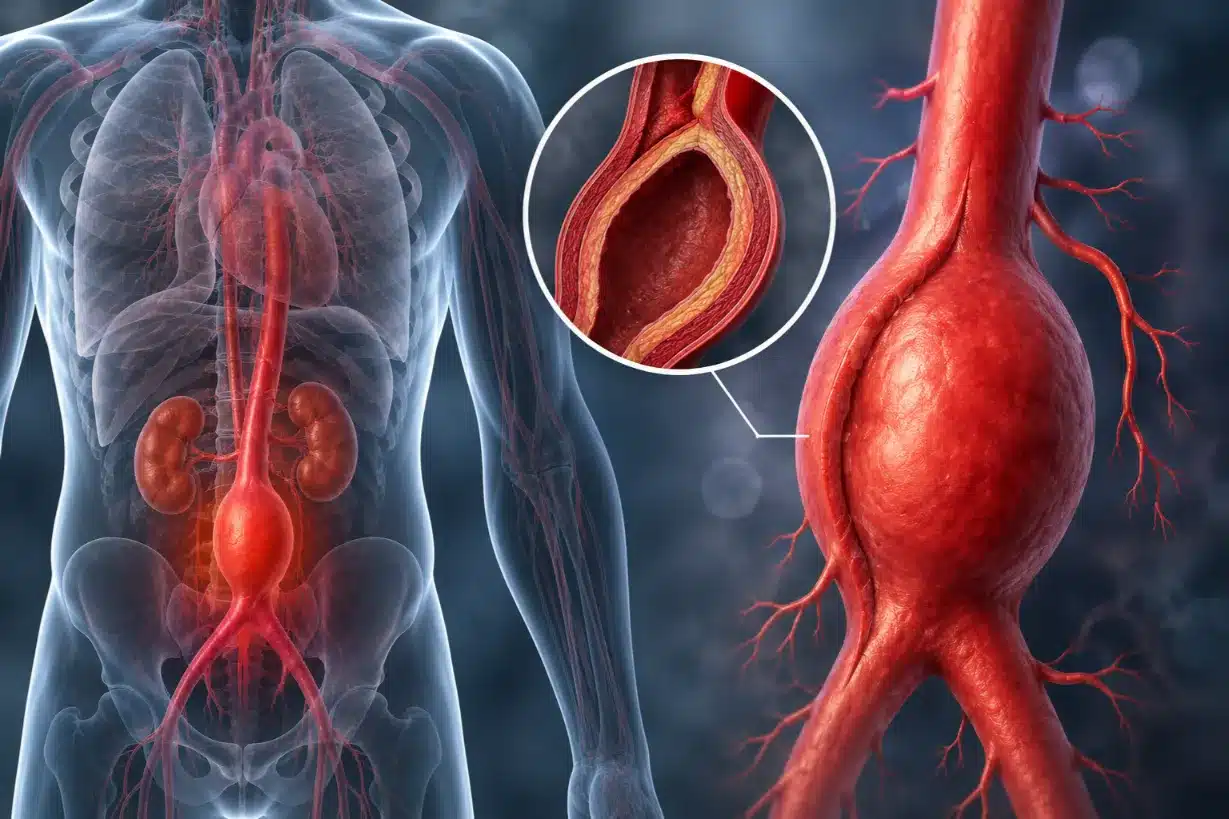
Diagram showing location of carotid artery and carotid plaque, restricting blood flow to the brain

Atherosclerotic plaque buildup causes significant narrowing of the carotid artery, restricting blood flow to the brain.


In many people, carotid artery disease is silent and causes no symptoms until a TIA or stroke occurs, which makes early detection very important.

Risk Factors for Stroke and Carotid Artery Disease

The risk factors for stroke and carotid artery disease overlap significantly. You are at higher risk if you have:

  • High blood pressure (hypertension)
  • High cholesterol
  • Diabetes
  • Smoking (current or past)
  • Obesity and sedentary lifestyle
  • Family history of stroke or heart disease
  • Increasing age, especially over 55
  • Previous heart attack, stroke or TIA
  • Generalised atherosclerosis (narrowing of other arteries, e.g. legs or heart)

Because these diseases are often related, patients at vascular clinics are usually checked for problems in multiple arterial territories, not just one area.

Symptoms of Carotid Artery Disease

Many patients with carotid artery narrowing have no obvious symptoms until an event occurs.

Possible warning signs include:

  • TIA symptoms (mini stroke), such as sudden weakness or numbness on one side of the body
  • Sudden speech problems
  • Temporary loss of vision in one eye (amaurosis fugax), often described as a “curtain” coming down over the eye
  • Dizziness or unsteadiness (though this can have many causes)

However, because carotid artery disease can be silent, screening and risk assessment are important for people with multiple risk factors.

How Is Carotid Artery Disease Diagnosed?

1. Clinical Assessment

Your doctor will ask about:

  • TIA or stroke-like symptoms
  • Risk factors (blood pressure, cholesterol, diabetes, smoking, family history)
  • Any previous heart or vascular disease

They may listen to your neck with a stethoscope for a “bruit” (whooshing sound), which can suggest turbulent blood flow due to narrowing.

2. Carotid Duplex Ultrasound

The most common and non-invasive test is carotid duplex ultrasound (also called carotid Doppler).

This scan:

  • Uses sound waves (no radiation)
  • Shows the structure of the carotid arteries
  • Measures how narrow the arteries are
  • Assesses blood flow velocity (how fast the blood moves)

It is painless, takes about 15–30 minutes, and is done as an outpatient test.

CT Carotid Angiography showing carotid artery stenosis/narrowing

CT Carotid Angiography showing narrowing carotid artery

CT Carotid Angiography showing carotid artery stenosis/narrowing

Carotid Duplex Ultrasound Scan

3. CT Angiography (CTA) or MR Angiography (MRA)

If ultrasound suggests significant narrowing, your doctor may order:

  • CTA carotid – a CT scan with dye to show arteries in more detail
CT Carotid Angiography showing carotid artery stenosis/narrowing

CT Carotid Angiography showing a narrowed carotid artery


  • MRA carotid – an MRI-based angiogram, sometimes used if CT dye is not suitable
MR Carotid Angiography showing carotid artery stenosis/narrowing

MR Carotid Angiography showing a narrowed carotid artery

These scans provide a more detailed map of your arteries and are used when planning surgery or stenting.

Who Should Consider Carotid Artery Screening?

Carotid screening is especially considered if you:

  • Have had a TIA or stroke
  • Have multiple risk factors (hypertension, diabetes, high cholesterol, smoking)
  • Have known peripheral arterial disease or coronary artery disease
  • Have a strong family history of early stroke or heart disease
  • Have a carotid bruit detected on examination

Your vascular specialist will decide if screening is appropriate for you.

Treatment Options for Carotid Artery Disease

Treatment aims to:

  • Reduce overall cardiovascular risk, and
  • Lower the chance of stroke or TIA.

1. Medical Management (For Mild–Moderate Disease)

Many patients can be safely managed with:

  • Blood-thinning medication (e.g. antiplatelet drugs) to reduce clot formation
  • Cholesterol-lowering medication (statins) to stabilise plaque
  • Blood pressure control
  • Strict diabetes control
  • Smoking cessation and lifestyle modification

For mild to moderate narrowing, careful monitoring with ultrasound is usually recommended.

2. Carotid Endarterectomy (CEA)

For patients with significant narrowing, especially those who have had a TIA or small stroke, surgery may be recommended.

Carotid endarterectomy involves:

  • An incision in the neck
  • Opening the carotid artery
  • Removing the plaque build-up
  • Closing the artery to restore smooth blood flow

When done in the right patients and at experienced centres, CEA has been shown to significantly reduce the risk of future stroke.


Diagram showing carotid endarterectomy step by step in removing the carotid plaque

Carotid Endarterectomy


3. Carotid Artery Stenting (CAS)

In selected patients, especially those at higher surgical risk, carotid stenting may be an alternative.

This procedure:

  • Is performed via a small puncture in the groin or wrist
  • A catheter is guided into the carotid artery
  • A balloon may be used to widen the narrowing
  • A stent (metal mesh) is placed to keep the artery open

Carotid stenting is minimally invasive and performed under imaging guidance.

Diagram showing a stent being placed inside a narrowed carotid artery to restore blood flow

Your vascular specialist will discuss which option is best for you based on:

  • Degree of stenosis (how narrow the artery is)
  • Whether you have had TIA or stroke
  • Age and general medical condition
  • Anatomy of the carotid arteries

Stroke Prevention: What You Can Do

Even if you have not had a stroke or TIA, it is never too early to protect your brain and arteries.

Key steps include:

  • Control blood pressure – take medications regularly
  • Lower cholesterol – through diet and/or medications
  • Stop smoking – seek help if needed
  • Maintain a healthy weight
  • Exercise regularly (e.g. brisk walking 30 minutes most days)
  • Control blood sugar if you have diabetes
  • Attend regular check-ups if you have known vascular disease


Infographic listing lifestyle measures to reduce stroke risk including blood pressure control, exercise, and healthy diet.

If you have already had a TIA or mild stroke, these measures are even more critical to prevent a more serious event.

When Should You Seek Urgent Help?

Go to the nearest emergency department or call 995 immediately if you experience:

  • Sudden weakness or numbness on one side of the body
  • Sudden facial drooping
  • Sudden difficulty speaking or understanding speech
  • Sudden loss of vision in one eye
  • Sudden severe headache with no clear cause
  • Sudden difficulty walking, dizziness, or loss of balance

Do not wait to see if symptoms go away. Stroke treatment is time-sensitive — early treatment can save brain cells and improve recovery.

How The Vascular Vein and Wound Centre Can Help

At The Vascular Vein and Wound Centre in Singapore, we provide:

  • Comprehensive assessment of stroke risk and carotid artery disease
  • Carotid duplex ultrasound and vascular imaging
  • Medical optimisation of vascular risk factors
  • Carotid endarterectomy and carotid stenting in suitable patients
  • Ongoing follow-up and surveillance of carotid disease

If you have experienced TIA symptoms, have multiple risk factors, or are worried about your stroke risk, early assessment can make a big difference.

You can learn more or request an appointment at
www.vascularcentre.com.sg.

Contact

Still unsure with what we can help? Talk to us.

CONTACT US