- What chronic pelvic pain is
- Common symptoms
- Gynaecological, urinary, bowel and vascular causes
- When pelvic veins (Pelvic Congestion Syndrome) are responsible
- How chronic pelvic pain is diagnosed
- Modern treatment options available in Singapore
What Is Chronic Pelvic Pain?
Chronic pelvic pain (CPP) refers to persistent pain below the belly button lasting at least six months. It may be constant or come and go, sharp or dull, mild or severe.
Patients often describe the pain as:
- A heavy, dragging feeling in the pelvis
- Pressure or fullness in the lower abdomen
- Dull aching around the lower tummy and pelvis
- Pain that worsens with standing or at the end of the day
- Pain that improves when lying down
In many cases, there is more than one cause, which makes diagnosis challenging.
Common Symptoms of Chronic Pelvic Pain
Many patients experience a combination of symptoms rather than just one type of pain.
Pelvic and Lower Abdominal Pain
- Dull, cramping or sharp pain
- One-sided or affecting both sides
- Present daily or triggered by specific activities
Pain That Worsens With Certain Activities
- After long periods of standing or walking
- Before or during your menstrual cycle
- During or after intercourse
- During urination or bowel movements
- After a long day at work
Other Possible Symptoms
- Lower back pain or heaviness
- Pelvic bloating or pressure
- Painful periods
- Pain during sex (dyspareunia)
- Frequent or urgent urination
- Pain with bowel movements
- Visible varicose veins around the vulva, buttocks or upper thighs
What Causes Chronic Pelvic Pain?
Chronic pelvic pain can arise from several organ systems. In many women, more than one condition is present at the same time.
1. Gynaecological Causes
- Endometriosis — growth of uterine tissue outside the womb
- Adenomyosis — thickening of the uterine muscle
- Fibroids — benign growths in the uterus
- Ovarian cysts
- Pelvic inflammatory disease (PID)
- Post-pregnancy pelvic floor changes
2. Urinary Causes
- Interstitial cystitis / painful bladder syndrome
- Recurrent urinary tract infections
- Bladder spasms and overactive bladder
3. Gastrointestinal Causes
- Irritable bowel syndrome (IBS)
- Chronic constipation or diarrhoea
- Inflammatory bowel disease (IBD)
These are more likely when pelvic pain is associated with bloating, change in bowel habits or abdominal cramps.
4. Musculoskeletal and Nerve Causes
- Pelvic floor muscle tightness or spasm
- Nerve entrapment or irritation
- Hip, lumbar spine or sacroiliac joint issues
- Tailbone (coccyx) pain
5. Vascular Causes: Pelvic Congestion Syndrome (PCS)
One of the most underdiagnosed causes of chronic pelvic pain is a vascular condition called Pelvic Congestion Syndrome (PCS).
What Is Pelvic Congestion Syndrome?
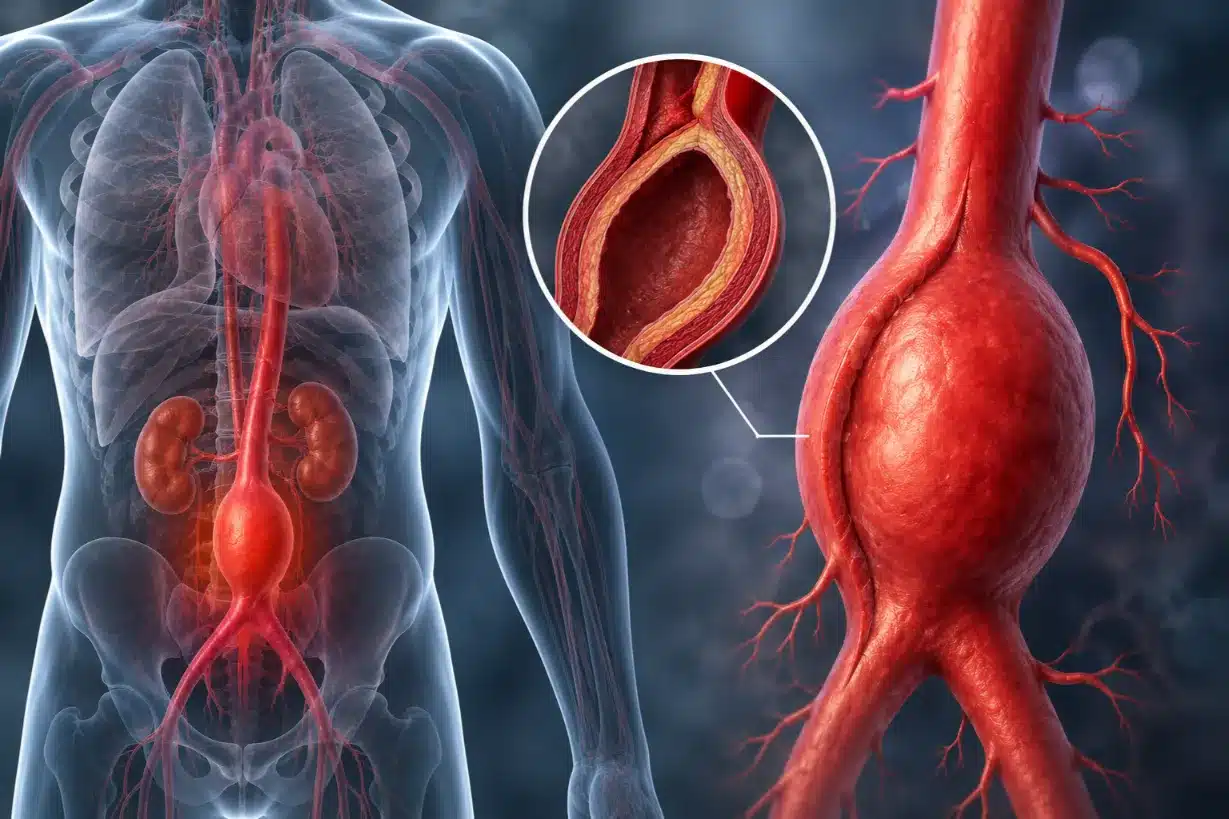
PCS occurs when the pelvic veins become enlarged, twisted and refluxing, similar to varicose veins in the legs. Blood pools inside these veins, increasing pressure and causing a chronic, aching pain.
Who Is at Risk?
- Women aged 20–50
- Women with multiple pregnancies
- Those with hormonal changes (e.g. oestrogen-dominant states)
- Family history of varicose veins
- Women with leg varicose veins
- Women whose pelvic pain worsens after standing or improves when lying down
Typical PCS Symptoms
- Dull, aching pelvic pain or heaviness
- Pain worse at the end of the day
- Pain worse after long periods of standing or walking
- Pain that improves when lying flat
- Pain during or after intercourse
- Varicose veins around the vulva, buttocks or upper thighs
- Associated lower back or buttock heaviness

Why PCS Is Often Missed
Unlike purely gynaecological conditions, PCS is a venous disorder. Standard pelvic ultrasound or CT scans may miss it if the scan is not specifically tailored to look at the pelvic veins.
Many women undergo multiple consultations and tests without a clear explanation for their symptoms until a targeted pelvic venous assessment is performed.
At the Vascular Vein & Wound Centre, a dedicated pelvic venous ultrasound can be used to detect these abnormalities accurately.
Learn more about venous ultrasound and vascular assessment at
www.vascularcentre.com.sg.
How Is Chronic Pelvic Pain Diagnosed in Singapore?
Your doctor will usually follow several steps to determine the cause of your pelvic pain.
1. Detailed Medical Evaluation
- Onset, duration and pattern of pain
- Menstrual history and relation to pain
- Factors that make it better or worse
- Associated urinary, bowel or sexual symptoms
- History of pregnancies, surgeries or infections
2. Pelvic Examination
A clinical examination helps identify tenderness, masses or pelvic floor muscle issues.
3. Pelvic Ultrasound
This is the first-line imaging test for gynaecological causes such as fibroids, cysts and adenomyosis.
4. MRI Pelvis
MRI is useful for more complex cases, including suspected endometriosis or deep pelvic disease.
5. Pelvic Venous Ultrasound
A specialised ultrasound focusing on the pelvic veins can assess for:
- Pelvic varicose veins
- Ovarian vein reflux
- Internal iliac vein reflux
- Features of pelvic congestion syndrome

6. Blood Tests and Other Investigations
Blood tests, urine tests or endoscopy may be recommended depending on your symptoms.
In many cases, a multidisciplinary approach involving a gynaecologist, urologist, gastroenterologist and vascular specialist provides the most comprehensive care.
Treatment Options for Chronic Pelvic Pain
Treatment depends on the underlying causes identified. Often, a combination of therapies gives the best results.
1. Medication
- Hormonal treatments for endometriosis or adenomyosis
- Pain relievers and anti-inflammatory medications
- Nerve-modulating medications for neuropathic pain
2. Physiotherapy
Pelvic floor physiotherapy is highly beneficial for:
- Tight or overactive pelvic muscles
- Post-pregnancy pelvic pain
- Musculoskeletal-related pelvic and lower back pain
3. Minimally Invasive Procedures
A. For Gynaecological Causes
- Laparoscopy for endometriosis
- Fibroid or cyst management
- Procedures to address severe adenomyosis or uterine pathology
B. For Vascular Causes (Pelvic Congestion Syndrome)
For PCS, modern treatment focuses on correcting the abnormal veins. A key option is pelvic vein embolisation, a minimally invasive, image-guided procedure in which abnormal veins are sealed using coils or medical agents.
Benefits of pelvic vein embolisation include:
- Keyhole, walk-in walk-out procedure
- No major surgical incisions
- Targets the underlying venous reflux
- Short recovery time
- Potential for long-term symptom relief


You can learn more about pelvic congestion syndrome and treatments at
The Vascular Vein and Wound Centre.
4. Lifestyle and Supportive Care
- Stress reduction and adequate sleep
- Gentle pelvic stretches and core strengthening
- Regular, moderate exercise
- Balanced diet to support bowel health
- Avoiding prolonged standing if it worsens symptoms
When Should You See a Doctor?
You should seek medical evaluation if you experience:
- Pelvic pain lasting more than three to six months
- Pain that interferes with work, exercise, sex or daily activities
- Pain that worsens after standing or at the end of the day
- Pain during or after intercourse
- Severe menstrual pain or heavy periods
- Visible varicose veins around the vulva, buttocks or upper thighs
- Pelvic pain with urinary or bowel symptoms
- No clear diagnosis despite seeing multiple doctors
Early diagnosis can improve treatment options and quality of life.
Why Many Women in Singapore are Misdiagnosed
Because chronic pelvic pain has multiple overlapping causes, patients often see several different specialists over the years, including:
- General practitioners
- Gynaecologists
- Urologists
- Gastroenterologists
- Physiotherapists
Vascular causes such as pelvic congestion syndrome may be overlooked unless the clinician is familiar with pelvic venous disorders and orders targeted venous imaging.
At The Vascular Vein and Wound Centre, we specialise in identifying venous-related pelvic pain, utilising advanced imaging techniques for accurate diagnosis and providing minimally invasive treatment options when appropriate.
Treatment Pelvic Congestion Syndrome at The Vascular Vein and Wound Centre
We provide comprehensive evaluation and management for:
- Chronic pelvic pain
- Suspected pelvic congestion syndrome
- Pelvic vein disorders and reflux
- Varicose veins in the pelvis, vulva and legs
- Vascular conditions that may contribute to pelvic symptoms
Your consultation may include:
- Detailed clinical assessment
- Duplex ultrasound of the pelvic and leg veins
- CT abdomen and pelvic venography

- MRI abdomen and pelvic venography

- A tailored treatment plan based on your symptoms, clinical findings and goals
If you are experiencing chronic pelvic pain that has lasted for months or years, especially if worsened by standing or associated with varicose veins, you may have an underlying vascular cause.